Australian Centre for Ancient Numismatic Studies
Australian Centre for Ancient Numismatic Studies
Promoting teaching and research in numismatics to advance the study of ancient societies.
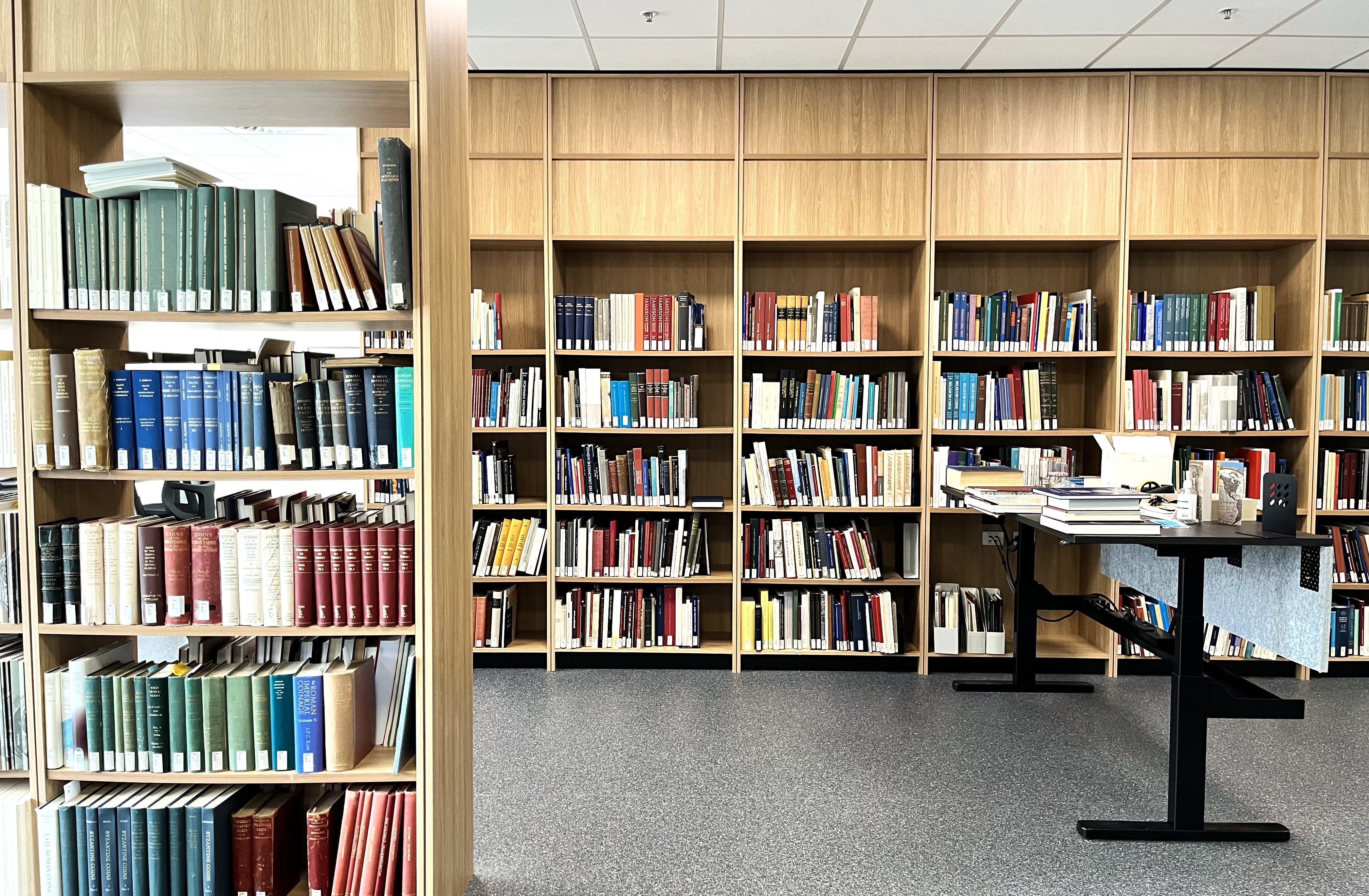
The Australian Centre for Ancient Numismatic Studies is an internationally recognised leader in the study of coinage in the ancient societies of the Mediterranean, Egypt and the Near East. The Centre is home to the largest collection of ancient coins in the Southern hemisphere, with over 6,000 numismatic specimens drawn from across the ancient world. Housed in a purpose-built research facility, ACANS boasts a dedicated in-house numismatic library with an extensive journal collection, workspaces, and microscopy station.
As one of the few university-based institutions in the world to offer facilities and financial support for the study of numismatics, ACANS fosters a vibrant, interdisciplinary research network at the forefront of ancient numismatics.
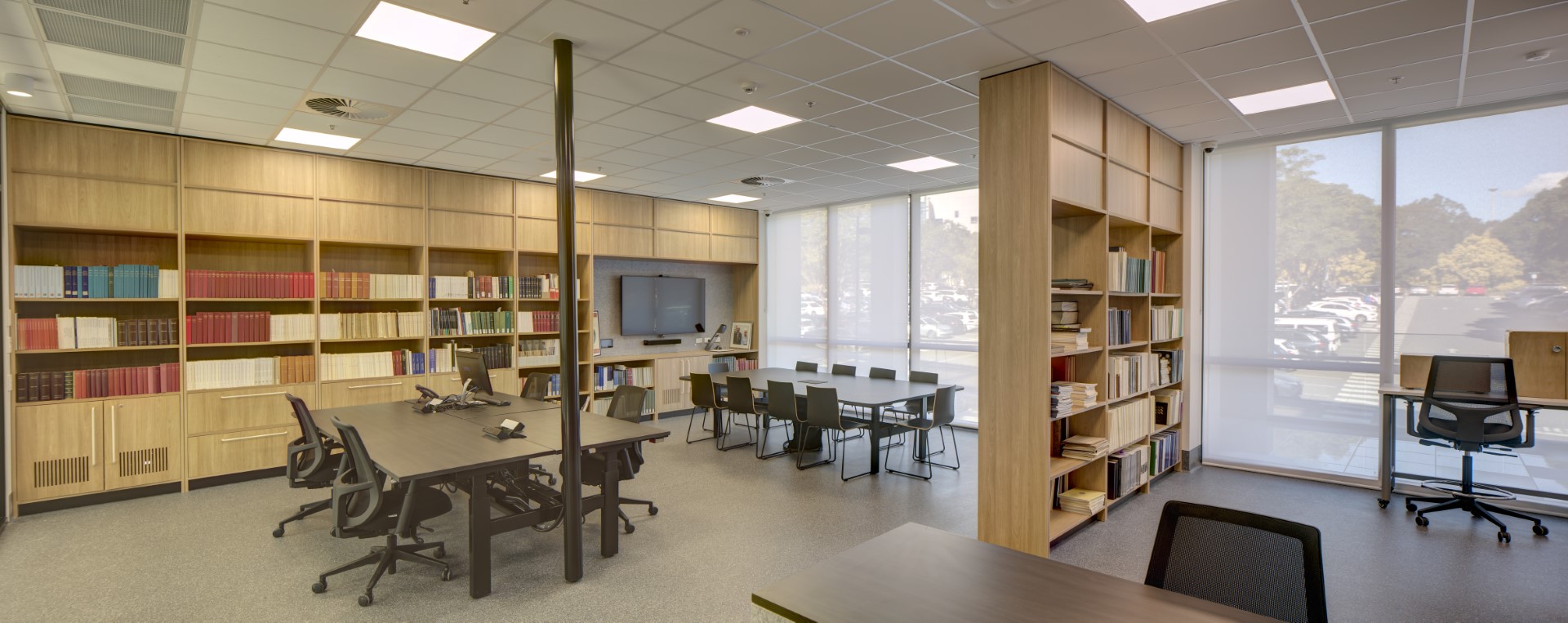
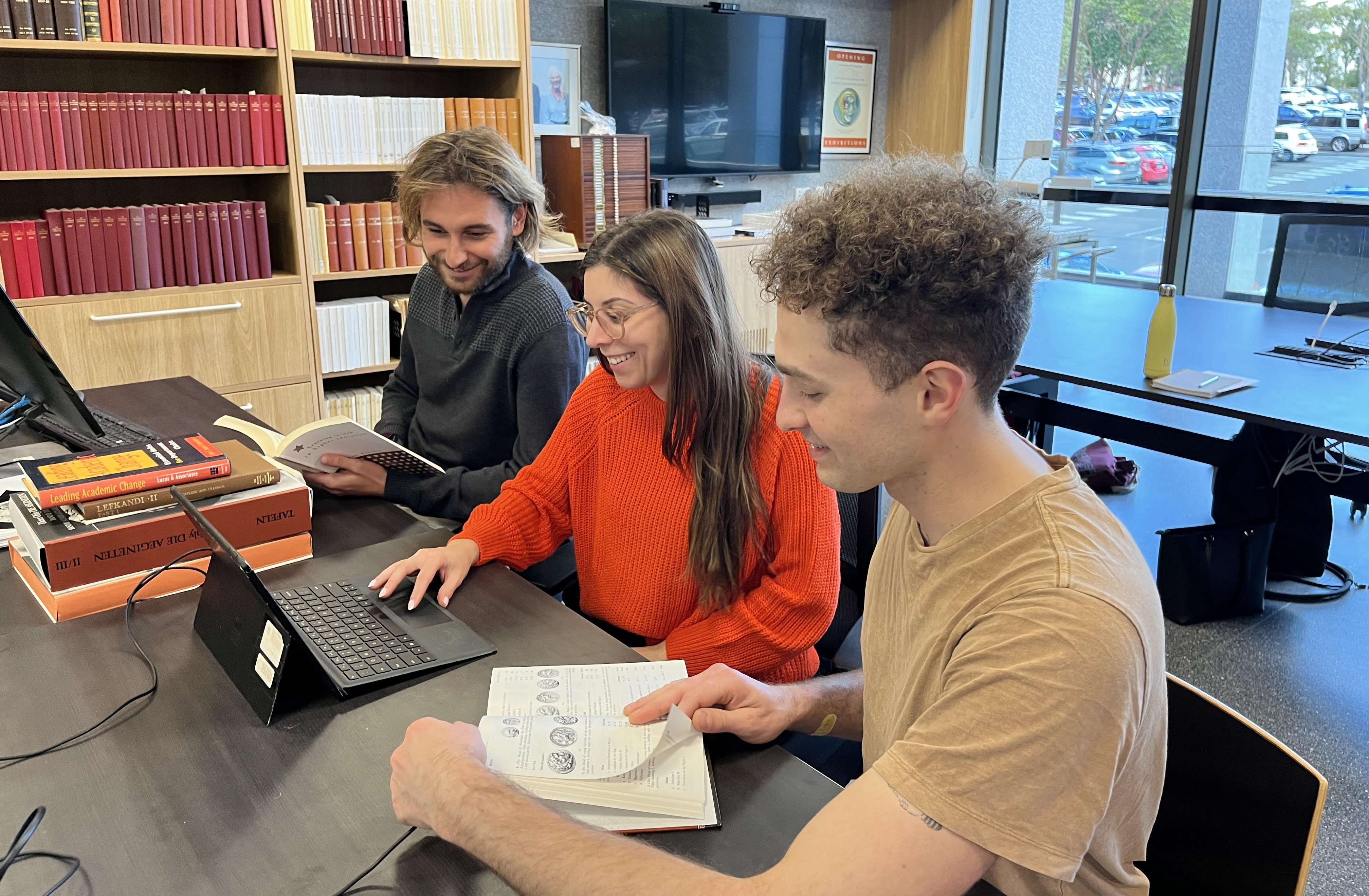
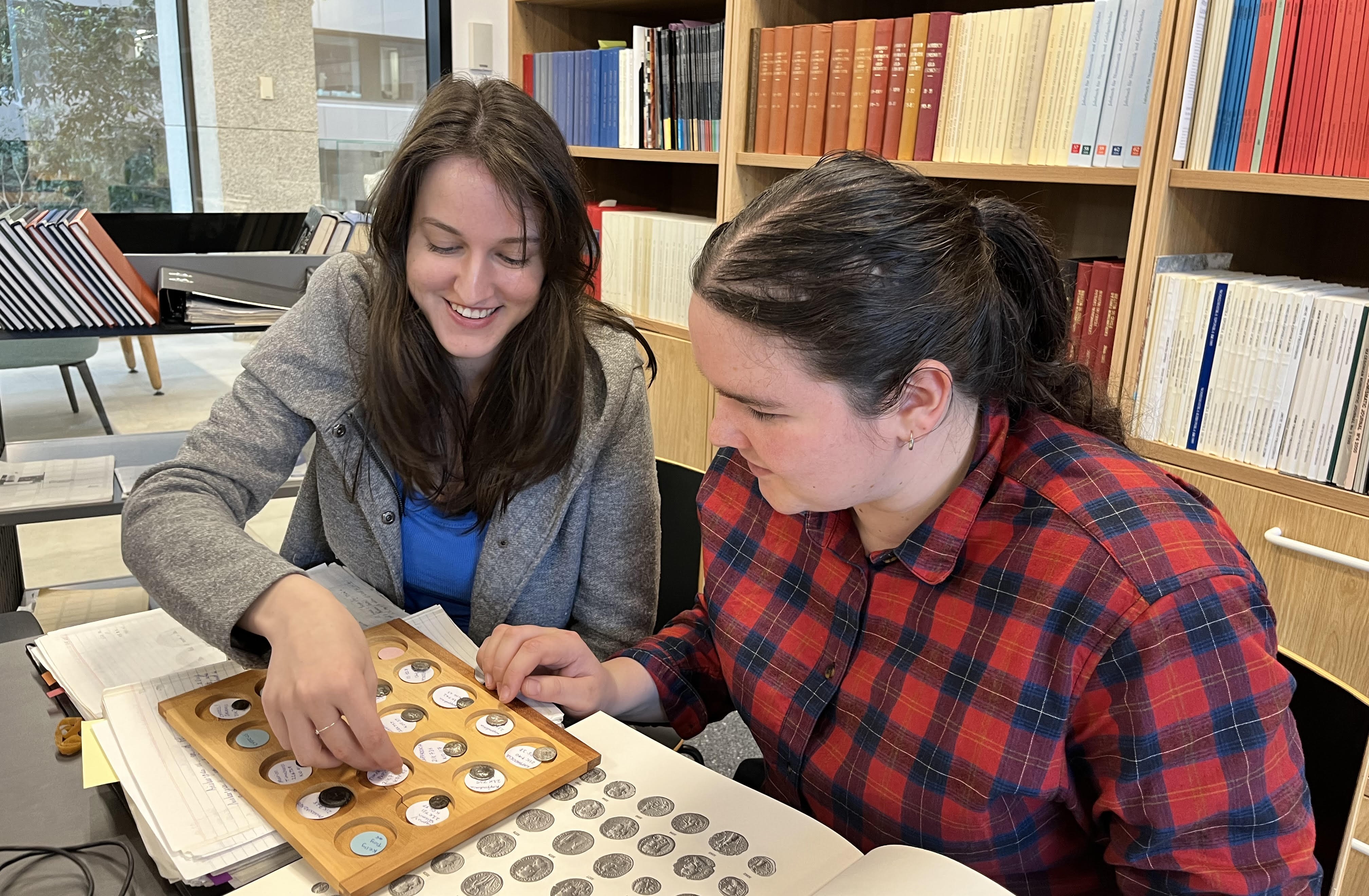
Numismatics is an ever-popular field of study amongst undergraduate and postgraduate students alike, and ACANS provides a range of hands-on opportunities for students to become involved in the research community. The Centre offers PACE internships, research fellowships, volunteering opportunities, mentorship, monthly seminars, and research supervision (via the Master of Research). For more information about opportunities and funding, visit the Engage with us page.
The Centre’s international research network consistently produces world-class publications using the resources provided by ACANS. To learn more about our research, please visit Our Projects.
History of ACANS
The Australian Centre for Ancient Numismatic Studies was established as a result of the vision and determination of Dr. William (Bill) L. Gale and his wife, Janet. A Sydney University law graduate turned businessman, Bill led an extremely successful career until his early retirement in the 1990s, when he enrolled in a Bachelor of Arts at Macquarie University. By 2005, Bill had been awarded his PhD at Macquarie for his thesis, “Procedure in the Roman Republican Senate.”
Bill had begun collecting coins in the 1980s, focusing on the Greek cities of Southern Italy, the coinage of the Roman Republic, and the issues of the Roman mint under the Emperor Hadrian. By the 1990s, he had formed a clear vision for the future of his collection: to establish with it a centre for the study of ancient coins in Australia. In 1999, he approached Macquarie University with the proposal that a numismatic research centre be established at this institution. The idea was supported by then Vice-Chancellor, Professor Dianne Yerbury AO, who saw in the Centre the potential to elevate the work and reputation of the already thriving Department of Ancient History (now Department of History and Archaeology). ACANS was thus established in 2000, with its Board appointing as its director Dr. Kenneth Sheedy, who was then working on the Sylloge Nummorum Graecorum at the British Museum.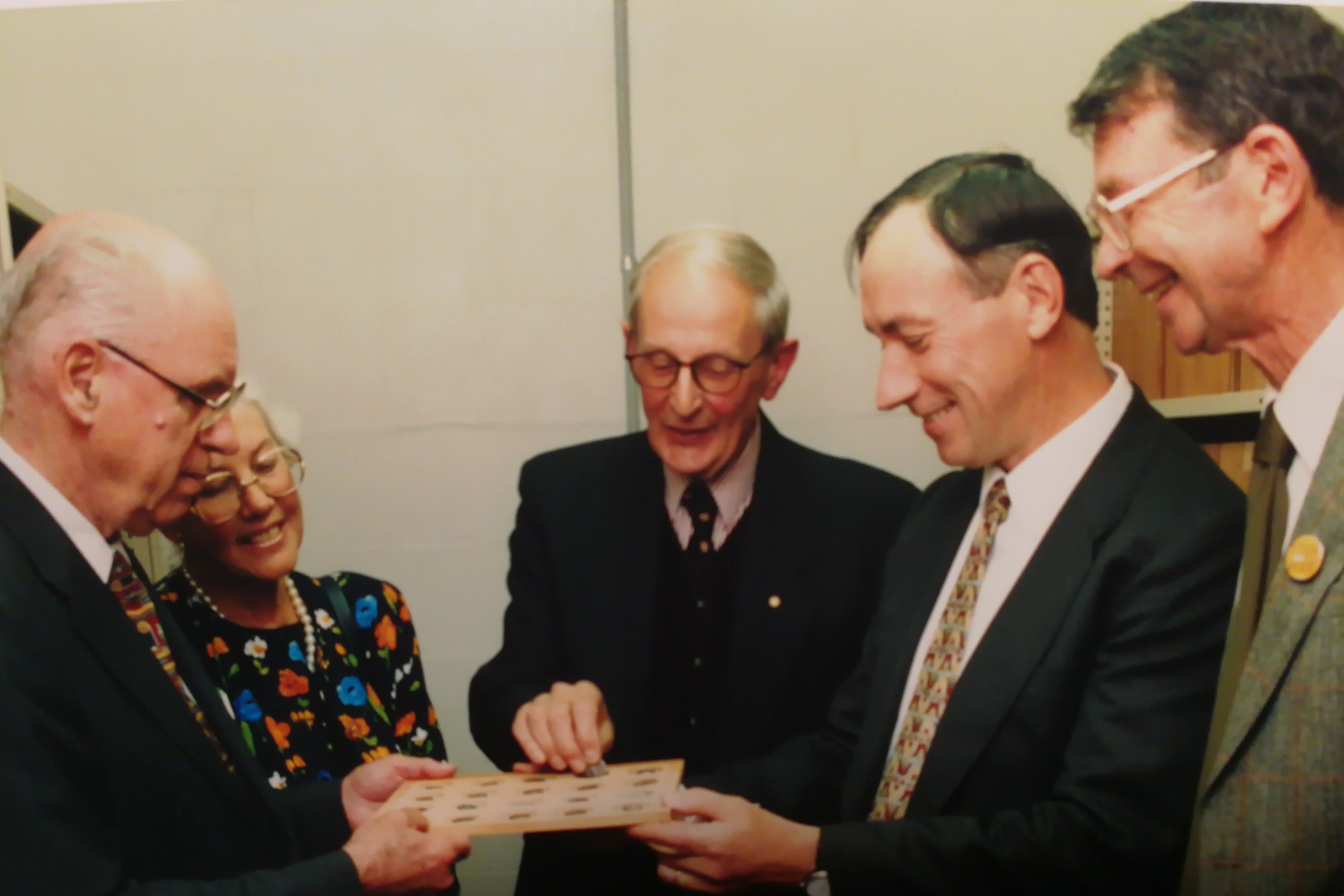
Dr. Gale single-handedly assembled one of the most important numismatics collections – and indeed Mediterranean antiquities collections – in Australia. His devotion to ancient world studies and determination to see the formation of a numismatics research centre was integral in promoting ancient numismatics as a significant field of study for Australian scholars of the ancient world. Eventually donated to ACANS on Dr. Gale’s passing, the Gale Collection forms the core of ACANS’s holdings and continues to be used in research and teaching to this day.
Image above (from l. to r.): Dr. William Gale, Mrs. Janet Gale, Professor Edwin Judge, A/Professor Kenneth Sheedy, and A/Professor Ted Nixon at ACANS in the early days.
This history of ACANS is based on Sheedy, K.A. 2020. “The creation of the Australian Centre for Ancient Numismatic Studies, Macquarie University,” Journal of the Numismatic Association of Australia 30, 148–154. You can find out more about the history of ACANS here.
ACANS Strategic Plan
The Australian Centre for Ancient Numismatic Studies aims to be a place of learning, transformative experience, and deep disciplinary knowledge, maintaining its status as a preeminent research centre within Australasia for ancient world studies.
In accordance with the vision and values of Macquarie University's Our University: A Framing of Futures policy and Research Strategy 2025, ACANS is committed to engendering:
- a culture of transformative learning in a research-enriched environment
- an accelerating and impactful performance in discovery
- an innovation nexus where Macquarie and our partners contribute solutions to the world and develop lasting relationships
- the promotion of Macquarie University’s recognition and international presence.
Research, teaching, and learning excellence is fostered at ACANS through the following high-level goals laid out in our Strategic Plan:
- Undertake research projects that can be recognized as major contributions to the discipline
- Maintain and develop formal national and international collaborations with researchers and research centres
- Create new competitive grant and fellowship activities addressed to internal and external sources
- Host distinguished international and domestic researchers
- Present at, sponsor, and host national and domestic conferences and events
- Involve Higher Degree Research students and Early Career Researchers in ACANS core research business events
- Contribute to outreach programs
- Provide lectures and supervision on numismatics in undergraduate and postgraduate units
- Undertake research into the collections of ACANS
- Host and maintain databases of national and/or international importance
For more information about the work being done at ACANS, visit the Our Projects, Our People, and Engage With Us pages.